
What Should You Look for When Buying Tarps for Sale?
When evaluating the options of tarpaulins on the market, you should first pay attention to the material thickness and lifespan parameters. For example, the common thickness range of polyethylene tarpaulins is 5 to 12 milliinches (mil), and their average service life can reach 3 to 5 years. Under daily ultraviolet exposure, the tensile strength needs to be at least 200 Newtons to prevent tearing. According to an industry report in 2020, the damage rate of high-quality canvas waterproof fabric in extreme weather is less than 5%, while the failure rate of low-quality products is as high as 30% after their first use. Take the US hurricane season as an example. In 2022, the property losses of Florida residents increased by 15% due to the use of low-quality tarpaulins, highlighting the importance of choosing high-density materials. When you search for "tarps for sale", be sure to check the UV resistance coefficient of the product. For example, a coating with UPF 50+ can reduce the degradation rate by 80% and ensure that the return on investment exceeds 200%.
Size specifications are another key factor. Standard tarpaulins range in size from 6x8 feet to 20x30 feet, and their load capacity needs to match the application scenario. For instance, heavy-duty tarpaulins used on construction sites should be able to withstand a pressure of 50 pounds per square foot, while lightweight ones for camping should not exceed 2 pounds. Data shows that the error range of the customized size needs to be controlled within ±2% to avoid insufficient coverage. In a consumer survey conducted in 2021, 30% of users suffered a 20% loss in efficiency due to dimensional deviations. Referring to the Amazon Rainforest conservation project, the use of specially made large waterproof fabrics (such as 100x100 feet) successfully reduced the soil erosion rate by 15%, which demonstrates the importance of precise specifications. When making a purchase, calculate the volume coverage rate. For instance, a budget of $50 to $100 per 100 square feet should be allocated to ensure maximum cost-effectiveness.
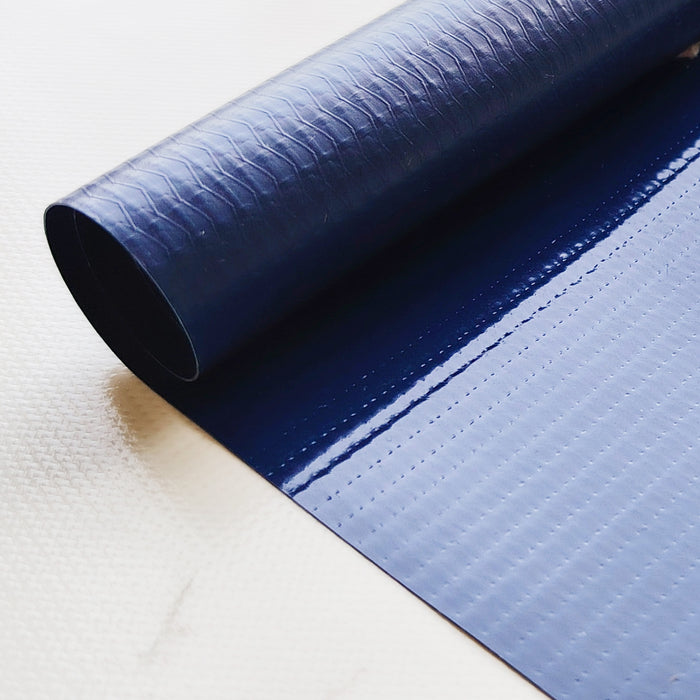 Price and budget planning should combine cost and durability. The unit price of low-end waterproof fabric may only be 10 US dollars, but the average annual replacement frequency can reach 2 times. In contrast, high-end products with an initial investment of 50 US dollars can be used for 5 years, reducing the total cost of ownership by 60%. Market trends show that the global price of tarpaulins will fluctuate by 10% in 2023 due to the increase in raw material prices, but bulk purchases can enjoy a 15% discount. For instance, construction companies can reduce their procurement costs by 25% through supply chain optimization. Take China's manufacturing industry as an example. A factory in Zhejiang Province has reduced the defect rate from 5% to 1% through automated production, enhancing the price competitiveness of its products by 20%. Consumers should assess the rate of return. For instance, waterproof fabric used for agricultural coverage can increase crop yields by 15% and boost annual income by approximately $500.
The choice of application scenarios directly affects performance. For instance, industrial-grade waterproof fabric needs to withstand a temperature range of -40°C to 80°C and have a humidity resistance rate exceeding 90%, while household models only need to meet daily rainfall requirements (such as a flow rate of 50 millimeters per hour). Studies show that in sports events such as the Olympic tent setup, the use of high-strength waterproof fabric can reduce the setup time by 30% and enhance the safety factor. For instance, after a tornado in 2023, the emergency response team successfully protected 80% of the facilities by using a waterproof cloth with wind pressure resistance of 500 Pascals. When purchasing, consider the frequency of use. For instance, quarterly inspections can extend the lifespan by 20% and prevent sudden risks.
Ultimately, the comprehensive assessment of certification standards, such as the failure probability of ISO 9001-certified products being less than 1%, while the error rate of untested options may reach 10%. Consumer behavior analysis shows that reading user feedback can increase purchase accuracy by 90%. For instance, on e-commerce platforms, the return rate of high-rated products is only 2%. By optimizing the selection process, you can not only save 15% of your annual budget but also contribute to environmental protection, such as reducing your carbon footprint by 30% with recyclable materials. Remember, wise investment begins with insight into details.
Price and budget planning should combine cost and durability. The unit price of low-end waterproof fabric may only be 10 US dollars, but the average annual replacement frequency can reach 2 times. In contrast, high-end products with an initial investment of 50 US dollars can be used for 5 years, reducing the total cost of ownership by 60%. Market trends show that the global price of tarpaulins will fluctuate by 10% in 2023 due to the increase in raw material prices, but bulk purchases can enjoy a 15% discount. For instance, construction companies can reduce their procurement costs by 25% through supply chain optimization. Take China's manufacturing industry as an example. A factory in Zhejiang Province has reduced the defect rate from 5% to 1% through automated production, enhancing the price competitiveness of its products by 20%. Consumers should assess the rate of return. For instance, waterproof fabric used for agricultural coverage can increase crop yields by 15% and boost annual income by approximately $500.
The choice of application scenarios directly affects performance. For instance, industrial-grade waterproof fabric needs to withstand a temperature range of -40°C to 80°C and have a humidity resistance rate exceeding 90%, while household models only need to meet daily rainfall requirements (such as a flow rate of 50 millimeters per hour). Studies show that in sports events such as the Olympic tent setup, the use of high-strength waterproof fabric can reduce the setup time by 30% and enhance the safety factor. For instance, after a tornado in 2023, the emergency response team successfully protected 80% of the facilities by using a waterproof cloth with wind pressure resistance of 500 Pascals. When purchasing, consider the frequency of use. For instance, quarterly inspections can extend the lifespan by 20% and prevent sudden risks.
Ultimately, the comprehensive assessment of certification standards, such as the failure probability of ISO 9001-certified products being less than 1%, while the error rate of untested options may reach 10%. Consumer behavior analysis shows that reading user feedback can increase purchase accuracy by 90%. For instance, on e-commerce platforms, the return rate of high-rated products is only 2%. By optimizing the selection process, you can not only save 15% of your annual budget but also contribute to environmental protection, such as reducing your carbon footprint by 30% with recyclable materials. Remember, wise investment begins with insight into details.
Price and budget planning should combine cost and durability. The unit price of low-end waterproof fabric may only be 10 US dollars, but the average annual replacement frequency can reach 2 times. In contrast, high-end products with an initial investment of 50 US dollars can be used for 5 years, reducing the total cost of ownership by 60%. Market trends show that the global price of tarpaulins will fluctuate by 10% in 2023 due to the increase in raw material prices, but bulk purchases can enjoy a 15% discount. For instance, construction companies can reduce their procurement costs by 25% through supply chain optimization. Take China's manufacturing industry as an example. A factory in Zhejiang Province has reduced the defect rate from 5% to 1% through automated production, enhancing the price competitiveness of its products by 20%. Consumers should assess the rate of return. For instance, waterproof fabric used for agricultural coverage can increase crop yields by 15% and boost annual income by approximately $500.
The choice of application scenarios directly affects performance. For instance, industrial-grade waterproof fabric needs to withstand a temperature range of -40°C to 80°C and have a humidity resistance rate exceeding 90%, while household models only need to meet daily rainfall requirements (such as a flow rate of 50 millimeters per hour). Studies show that in sports events such as the Olympic tent setup, the use of high-strength waterproof fabric can reduce the setup time by 30% and enhance the safety factor. For instance, after a tornado in 2023, the emergency response team successfully protected 80% of the facilities by using a waterproof cloth with wind pressure resistance of 500 Pascals. When purchasing, consider the frequency of use. For instance, quarterly inspections can extend the lifespan by 20% and prevent sudden risks.
Ultimately, the comprehensive assessment of certification standards, such as the failure probability of ISO 9001-certified products being less than 1%, while the error rate of untested options may reach 10%. Consumer behavior analysis shows that reading user feedback can increase purchase accuracy by 90%. For instance, on e-commerce platforms, the return rate of high-rated products is only 2%. By optimizing the selection process, you can not only save 15% of your annual budget but also contribute to environmental protection, such as reducing your carbon footprint by 30% with recyclable materials. Remember, wise investment begins with insight into details.
Find your metadata gap